
Around The Bend: Potato Creek State Park
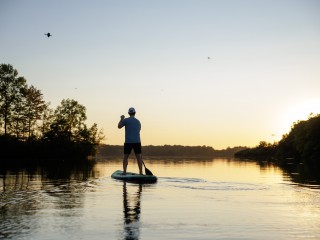
In this episode of Around The Bend, we’re heading to Potato Creek State Park to explore one of Northern Indiana’s favorite year-round outdoor escapes.
With scenic trails, peaceful waters, beautiful scenery and plenty of ways to enjoy the outdoors, Potato Creek is the perfect place to slow down, get some fresh air and make the most of a day in The Bend.
Around The Bend takes a deeper look into the stories of beloved favorites and hidden gems throughout St. Joseph County that make this place unforgettable. These places we cherish didn’t just appear—they were built with passion, purpose, and stories worth telling.
Explore the Great Outdoors
Potato Creek State Park in North Liberty, Ind. is a 3,840-acre park that features a wide array of activities and facilities you can enjoy year-round. Not to mention the incredible variety of habitats, wildlife and history to explore.
The park is home to a diverse mix of natural landscapes, from the 327-acre Worster Lake and mature woodlands to restored prairies and wetlands. Together, these habitats provide plenty of opportunities to spot native plants and wildlife throughout the park. When the park was established in 1969, it was primarily farmland.
The area has a rich history in many ways. Glaciers shaped the landscape over thousands of years, which was then used by the Potawatomi Indians for hunting and fishing. The entire area was a part of the Kankakee Marsh.
How did Potato Creek get it’s name?
The Potawatomi Indians gathered edible roots along the creek and surrounding wetlands. Some of these roots resembled potatoes and were referred to by early settlers as “wild potatoes.” Over time, the name stuck. Today, it lives on as Potato Creek State Park.
European settlers arrived in the 1830s. With an abundance of water, the creek was a major resource of pioneer days, harnessed for sawmills and gristmills. Areas of land were drained so they could farm, and it remained farmland until a century later, when a self-taught naturalist named Darcy Worster advocated for a man-made reservoir. His efforts to develop a recreational state park in the Potato Creek area spanned over 30 years. In 1977, a 50-year-old dream became a reality. The six square miles of land were purchased and developed into the state park we know today.
In honor of Darcy Worster, the 327-acre man-made lake at the park’s center is named Worster Lake.

But this isn’t where the history lesson ends.
The Potato Creek area was also home to a free Black community called the Huggart Settlement, named after Samuel Huggart, a free African American that settled on the land with his family in 1834. They were part of a community of anti-slavery Quakers who played roles in the abolition movement. More Black families joined, and it became a unique integrated community of Black and White farmers who attended school and church together.
The Porter-Rea Cemetery in the park is where many of those residents are buried and can be visited today. You can learn more about the cemetery here.

“It was the first cemetery to include both free Blacks and Whites together, and it's on the National Historic Registry,” shared Jim Webb, Property Manager of Potato Creek.
Webb started working at Potato Creek in 1979. He moved to other state parks for some time, but returned to his hometown, South Bend, Ind.
“What makes Potato Creek so attractive, is I think it's all the recreational facilities that are offered. You can boat, you can kayak, you can canoe. It's great fishing for bass and bluegill pan fishing. There's a mountain bike trail…the cabins, camping, horseback riding.”
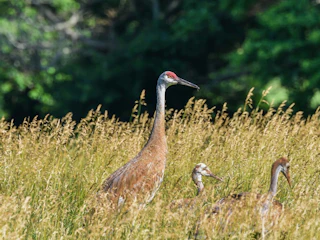
In the 1990s, the DNR took areas that weren't slated to be developed and tried to recreate the pre-settlement time, restoring wetlands and native prairie areas that draw wildlife. You can see animals such as osprey, turkey, sandhill cranes, beavers, and of course you can expect raccoons, opossums, small woodland creatures native to the area and a large variety of birds. Some of these, you can see easily through Wildlife Observation window at the park’s Nature Center. The Center also offers interpretive programing and opportunities for children and students.
Osprey have now been removed from the endangered species list with a population growth of 30,000. Two large nests sit atop poles near Worster Lake, and you can view them for yourself. There are also bald eagle sightings. The park is on the Indiana Birding Trail.

To fully envelop yourself in the beauty and nature of the park, you can stay a while and set up camp (to include the equestrian campground), or stay in one of the family cabins. Open year-round, cabins accommodate eight people with two bedrooms, a full bathroom, kitchen, dining area, screened porch and the luxury of "glamping."
Very soon, you could also stay in the brand new lodge coming in 2027.
The new 120-room lodge and conference center is set to open along the southern shore of Worster Lake in the Whispering Winds Picnic Area. The project would mark Indiana State Parks’ first ground-up lodge construction since 1939. With lake views, access to the paved bike trail, a small boat launch, parking and plenty of space to enjoy the outdoors, the new facility is expected to add another way to experience the park.

“120 guest rooms, full dining facilities, conference facilities. There's an aquatic area, splash pad, water park feature to it. There's a small outdoor amphitheater and fireplaces. We're trying to accommodate everything,” added Webb.
There are so many activities to take part in, including biking, fishing, kayaking, paddle boarding, canoeing, birding, cross-country skiing, hiking, tubing, swimming (there is also a beach to catch some rays!), horseback riding, and much more. Don’t forget a simple trip to the playground, Nature Center, or enjoy a picnic.
Or simply, enjoy the fresh air and natural beauty on the southwest side of The Bend.
Watch More Around The Bend Episodes






You May Also Like



Related